

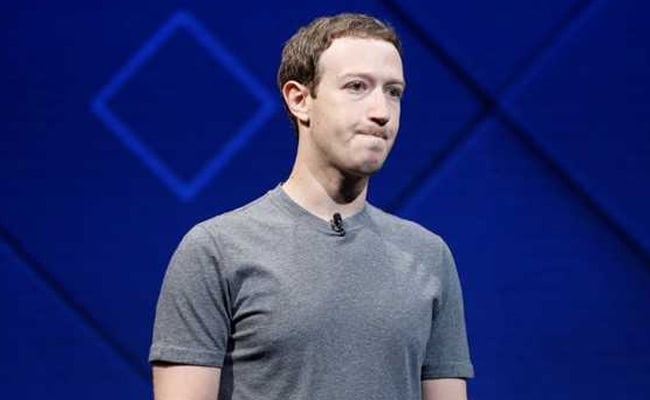
Facebook has not been able to catch a break lately. Rebuked for the misinformation spread on its platform by Russian agencies during the 2016 US presidential election, aiding Donald Trump’s victory, Facebook was on the defensive for most of 2017. Making matters worse for the Menlo Park, California-headquartered social media behemoth, another one of its past oversights has now come back to haunt it in what is undoubtedly its biggest public relations challenge.
In 2015, Facebook removed his app and sought an assurance from him that the data had been destroyed. But it later found out that the information had been passed on to CA. Facebook has since stopped apps from accessing information about a user’s friends and has even limited the data that can be collected about the user.
While the broad details of the issue have been known since 2015, the sheer number of accounts that were compromised was not known till now and has led to calls for Facebook to be deleted, with #DeleteFacebook trending on Twitter. The company, one of the world’s most valuable public companies, has shed $75 billion, or 14% of its market value, since March 16.

Facebook will only grow as smartphone and internet adoption grows — India is set to add 100 million internet users and 250 million smartphone users by 2020. But at the same time, it has to deal with those wondering whether they should sign up or continue being on the network.
Soumya Sinha, a 32-year-old data consultant in Delhi, says FB is quite passive-aggressive when it comes to data. “It gives you a lot of privacy options, makes you feel you are in control of your wall, but buries an ‘unless you don’t want to share’ option at the bottom,” he says. “If you don’t opt out, it assumes you are happy to share. Even if you do, you can never be sure the non-consensual sharing has stopped.”
Privacy controls — not just on Facebook but on social media platforms in general — are not easy to find and even the most tech-savvy have a hard time ensuring the accounts are as secure as they can possibly be. “Indians are very liberal with others accessing their data. A lot of other accounts are linked to my FB account. Who knows which one of them will provide my data to others?” says Prateek Kharangar, a 30-year-old doctor in Rajasthan.
Mark Zuckerberg, Facebook’s billionaire chief executive, issued a statement on March 21 admitting that Facebook had made mistakes. He added that Facebook would do a thorough audit of suspicious apps and make its privacy policy stricter by limiting the user information it shares with third-party apps.
Facebook will also revoke permission to apps that a user has not accessed for three months and show an option at the top of the news feed, allowing users to do the same. Zuckerberg also said in a subsequent interview to the New York Times that Facebook would let concerned users know about the CA debacle. Questions sent by ET Magazine to Facebook India went unanswered. The US Federal Trade Commission and the European Union are also scrutinising the issue.
Protect Data
Facebook has faced criticism in the past, including about its facial recognition software In India, it was badly bruised in its fight against net neutrality. Its Free Basics campaign tried to push free access to a few websites, including its own, in partnership with telcos, but the telecom regulator in February 2016 ruled in favour of net neutrality. Sunil Abraham, executive director of the Centre for Internet and Society, believes sites like Facebook should permission. It’s required in countries where users are naive, unaware and incapable of protecting their own interests.”
Facebook has faced criticism in the past, including about its facial recognition software In India, it was badly bruised in its fight against net neutrality. Its Free Basics campaign tried to push free access to a few websites, including its own, in partnership with telcos, but the telecom regulator in February 2016 ruled in favour of net neutrality. Sunil Abraham, executive director of the Centre for Internet and Society, believes sites like Facebook should permission. It’s required in countries where users are naive, unaware and incapable of protecting their own interests.”
Many experts call for more transparency and clarity. Nayantara Ranganathan, programme manager at the Internet Democracy Project, says privacy policies are tweaked constantly and the changes the companies want us to know about are conveyed through blog posts and such, while there may be changes that we may not be aware of. Nikhil Pahwa, cofounder, Internet Freedom Foundation, says the process of notifying users of changes in terms and conditions needs to be improved.“So often, T&Cs are changed and the company just sends a generic mail to all its users. If they don’t respond, it is assumed they have agreed to the changes. That needs to change.” Some believe online consent agreements are being simplified.
While there have been calls for the privacy notice to be in local languages too, Rama Vedashree, CEO of Data Security Council of India, says that in markets like India, where millions are just being introduced to the internet, websites may have to look at pictorial representations to explain how user data will be used by third-party developers. Regardless of how intelligible tech companies make their privacy policy documents, given the number of websites we use. That is where a stringent law becomes necessary. “We don’t have a robust legal framework that acts swiftly, permits class action lawsuits and awards damages in tune with the harm incurred,” says Mishi Choudhary, legal director at the Software Freedom Law Center.


No comments:
Post a Comment